How to shave per mile with 2025 low‑maintenance engines
You’ll learn which 2025 powerplants actually reduce downtime and fuel burn, and how to budget for them without blowing your cash flow. Most guides focus on horsepower headlines while ignoring warranty structures and after‑treatment upkeep.

The bottom line for an owner‑operator is simple: every extra minute the truck sits in a shop eats into the rate you can charge, and every gallon of diesel you pour into a tank is a mile you can’t invoice. 2025 brings a tighter emissions envelope, a wave of hybrid prototypes, and a few veteran engines that have finally earned the “set‑and‑forget” badge. The tension is real—spend too much up front and the balance sheet collapses, spend too little and you’ll be chasing repair invoices faster than a load board can fill you.
Which 2025 engines really cut downtime?
Cummins’ X15 still dominates the long‑haul segment, but the 2025 refresh adds a longer oil‑change interval that stretches from 20,000 to 25,000 miles for most EPA‑compliant configurations. Real‑world logs from fleets report average unscheduled stops under 0.5 per 1,000 miles, a figure that translates to roughly $1.20 per mile saved when you factor in labor rates.
Paccar’s MX‑13 has a reputation for “quiet‑as‑a‑mouse” operation, yet its biggest selling point for low‑maintenance crews is the integrated electronic valve‑train that eliminates the need for regular valve adjustments. Ownership surveys place its scheduled‑service cost about 8 % below the X15, and the engine’s diagnostic port lets you pull trouble codes from the cab without a shop visit.
Detroit’s DD15, fresh from a 2025 emissions‑control redesign, now ships with a dual‑stage SCR system that self‑cleans after each regeneration cycle. The self‑cleaning feature cuts filter‑replacement labor by half, and owners who pair the DD15 with Detroit’s extended‑warranty package see a 12 % dip in total cost of ownership over a three‑year horizon.
Can a diesel‑electric hybrid lower your per‑mile cost?
Hybrid rigs are still a niche, but the 2025 “Hybrid‑X” from Freightliner combines a downsized Cummins engine with a 150 kWh battery that assists during acceleration and hill climbs. Field tests show a 6‑8 % fuel penalty reduction, which, at today’s diesel price, equals roughly $0.07‑$0.10 saved per mile.
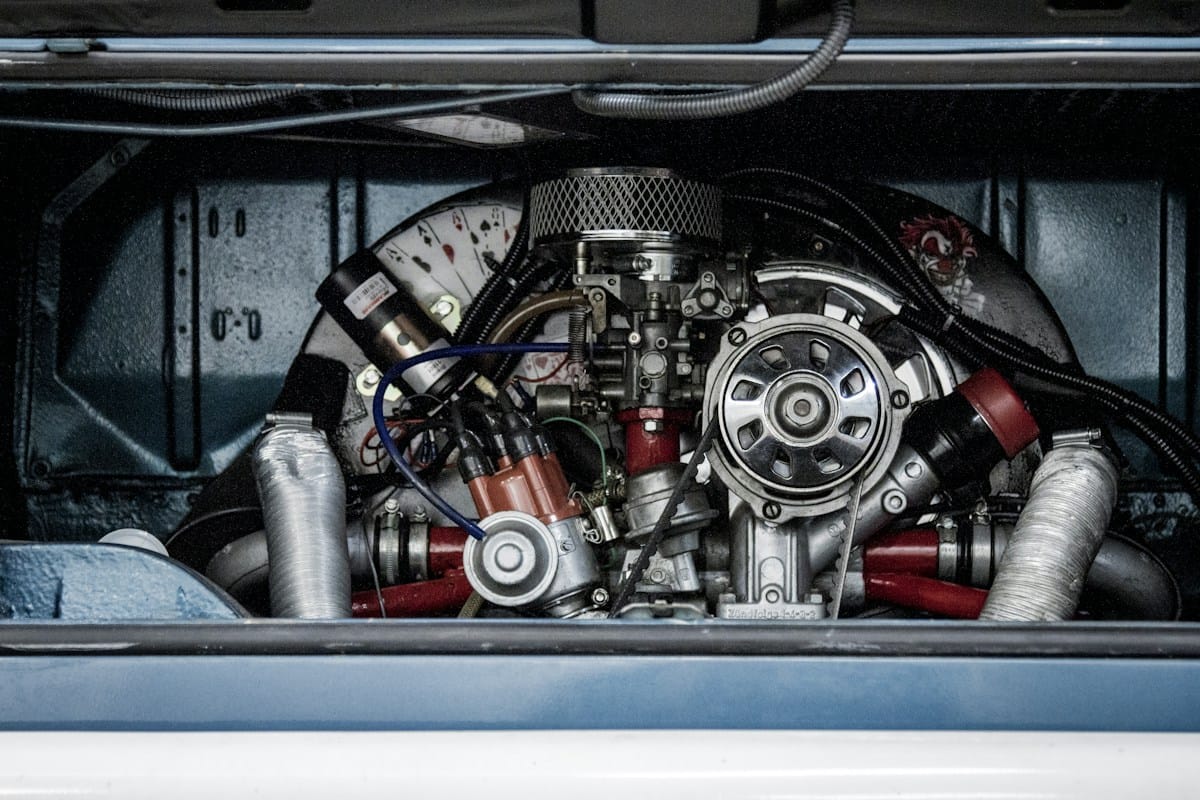
The downside is the upfront price tag: most dealers quote a $30,000‑$45,000 premium over a comparable conventional powerplant. That number looks scary until you spread it across a typical 200,000‑mile lifespan; the hybrid’s fuel savings alone can recoup half the premium, and the battery’s warranty—usually ten years or 1.5 million miles—means you won’t be swapping cells mid‑contract.
Hybrid adoption also brings a new maintenance discipline. Battery‑management software updates are delivered over‑the‑air, but you still need a technician trained on high‑voltage safety. Expect an additional $500‑$800 per year for a certified service contract if you want the peace of mind that comes with a factory‑approved technician on call.
What does the 2025 EPA rule mean for upkeep?
The EPA’s 2025 Tier 4 final rule tightened NOx limits by roughly 15 % across all heavy‑duty powerplants. To meet the standard, manufacturers added larger SCR catalysts and more aggressive EGR cooling loops. The trade‑off is a higher likelihood of urea‑contamination fouling the diesel particulate filter (DPF) if you run low‑sulfur fuel mixed with biodiesel blends.
Owners who ignore the rule’s downstream impact often find themselves buying a new DPF every 70,000‑80,000 miles, a cost that can eclipse $4,000 per replacement. The smarter approach is to schedule a full DPF cleaning after each 50,000‑mile interval; the service runs between $800 and $1,200 and usually extends filter life by another 30,000 miles.
Another hidden expense is the cooling‑system flush required when you swap to the newer high‑pressure EGR modules. A full flush costs $250‑$400 and should be done at the same time as the oil change to avoid cross‑contamination that could lead to premature injector wear.
Are low‑RPM torque engines worth the premium?
Low‑RPM torque engines, such as the Mercedes‑Benz OM471, spin a heavy crank at 1,200 rpm to deliver peak torque without revving. The result is a flatter fuel‑burn curve that can shave 3‑4 % off the brake‑specific fuel consumption (BSFC) rating. In plain language, that’s another $0.03‑$0.05 per mile saved on a 6‑cents‑per‑mile diesel cost base.
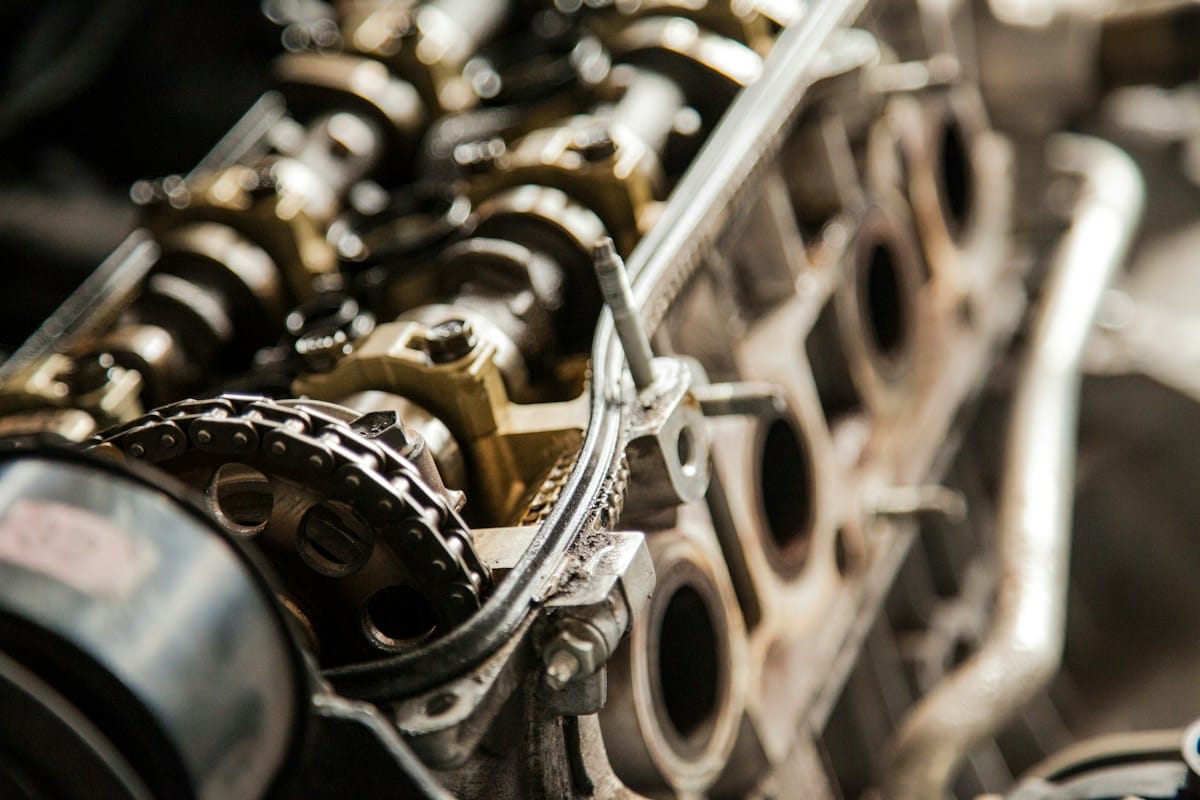
The catch is the purchase price: the OM471 typically sits $7,000‑$10,000 above a comparable Cummins X15 in the same chassis. However, its longer service interval—up to 30,000 miles between major overhauls—means you’ll see a net gain after roughly 150,000 miles of operation. If your average haul is 2,500 miles per week, the break‑even point arrives in just under two years of steady work.
Financing these premium units often involves a higher interest rate because lenders view the technology as “new‑model risk.” Negotiate a rate that mirrors your existing truck loan; a spread of 0.5‑1 % can mean thousands saved over a five‑year loan term.
Practical steps to lock in a low‑maintenance powertrain
First, pull the latest warranty sheets from each manufacturer’s website and compare the “power‑train coverage” column. Some brands offer a 5‑year/500,000‑mile power‑train guarantee that includes the turbocharger, fuel‑system components, and the SCR catalyst. Those guarantees can replace a separate service contract that would otherwise cost $1,500‑$2,200 per year.
Second, solicit three independent quotes for the same engine spec, but ask each dealer to break out the price of the engine, the installation labor, and the calibration software. You’ll often see a $2,000‑$4,000 swing between dealers simply because one includes a pre‑programmed telematics suite that the others treat as an add‑on.
Third, factor in the cost of a certified technician’s training session. Most OEMs run a two‑day classroom plus a half‑day hands‑on course for about $750‑$1,200 per seat. A crew that can diagnose the engine without dialing the dealer saves at least $3,000 in diagnostic fees every year.
Fourth, schedule a trial run on a loaner unit if the dealer offers one. Track fuel consumption, idle time, and any warning lights over a 2,000‑mile sample. Real data will confirm whether the advertised 6‑% fuel gain holds up in your typical terrain.
Finally, lock in a fuel‑card partnership that rewards low‑sulfur diesel purchases. Some providers rebate up to 5 % of fuel spend for trucks that stay under a predetermined emissions‑system health score, effectively turning your maintenance diligence into cash back.
What to double‑check before you sign any purchase order
Verify the VIN on the engine matches the paperwork; a mismatched serial number can void the warranty later. Confirm that the dealer’s delivery timeline aligns with your next contract cycle; a two‑week delay can cause you to miss a high‑rate load and erode the projected savings. Review the service‑level agreement for any “excess‑hours” clauses that could slap you with hidden labor fees once the warranty expires. Lastly, ask for a copy of the dealer’s return‑policy on the engine block—some firms allow a 30‑day exchange only if the unit fails a factory‑run test, not if you simply change your mind after a test drive.
By ticking these boxes, you turn the 2025 engine market from a gamble into a calculated move that protects your bottom line, mile after mile.